Villains are a great storytelling tool. Not only do they usually fulfill the role of antagonist, the opposing force to the protagonist, they also serve as a source of bad or evil in the world they inhabit. Without a villain, our hero’s morals would never be tested.
Because I’m so interested by villains, and also because I feel my own villains could use more edge, I’ll be exploring this key storytelling figure in a few (at least two) parts on this blog.
Today is Part I: The Archetypes. Specifically, what are the main kinds of villains we see represented in pop culture, be it books, film, comic books, TV, and so on. Although I offer several of my favorites, this is by no means a definitive list. Also, many villains are made up of a variety of archetypes and sub-types and defy being pigeonholed.
Spoiler warning: As villains are occasionally not revealed until big plot twists, this post will have a few spoilers, specifically for Knights of the Old Republic 2: The Sith Lords and The Hand of Thrawn Series. Read at your own peril.
Note: I owe a lot of my research for this particular post to TVTropes.org. It’s a great site, and if you have any interest in researching pop culture tropes you should check it out.
The Mastermind
A favorite of mine, the mastermind is a schemer. She has a plan, has the resources, and knows how to follow through. The hero often plays a detective role against the mastermind, spending most the story arc trying to figure out what the evil plan is, only to discover they’ve been aiding the mastermind all along! The mastermind’s a master manipulator of the strings that hold the universe together.
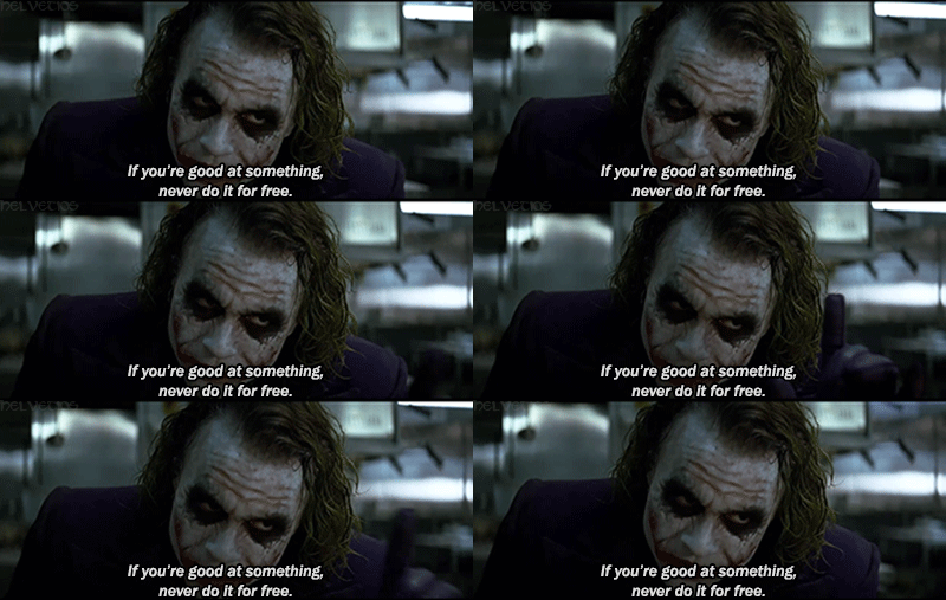
A few examples of masterminds would be Chancellor Palpatine from Star Wars, The Joker from The Dark Knight (even if he denies it), Kreia from Knights of the Old Republic 2: The Sith Lords, and Moriarty from the Sherlock Holmes novels and the BBC Sherlock TV series.
The Monster
The monster is bad. That’s it. In their stories, they’re not presented with any redeeming qualities, any complexities, or any sense of sadness or remorse for their many crimes. Monster’s commonly commit genocide, destroy planets, kick dogs, and yes, even eat babies. Sauron from The Lord of the Rings is a monster, as is Joffrey from A Song of Ice and Fire, Goneril and Regan from King Lear, and Major Arnold Toht from Raiders of the Lost Arc. Generally speaking, if a Nazi is in a story, chances are good they’ll be a monster (but not always).
The Classic Villain (AKA The Disney Villain)
In general this is the simplest, but occasionally the most fun, of villain archetypes. The classic villain has schemes that always fail (unless the story’s hero needs a reason for growth, in which case the classic villain will achieve a small victory). In musicals, they usually have the best songs. Classic villains have great laughs, bumbling minions, and often some sort of fortress of evil. They are rarely written complexly, but they can develop their own fan following.
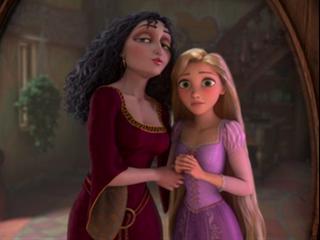
A few classic villains would be Jafar from Aladdin, Ursula from The Little Mermaid, Frollo from The Hunchback of Notredame, and Apophis from Stargate: Sg-1.
The Trickster
The trickster is evil for the fun of it. They don’t want people to die, but if a person or two is gored to death when they unleash a rhinoceros in the middle of a preschool for a laugh, so be it. Tricksters are the most prone to ardent fan followings, which makes sense. They love their job. They’re one of the few villains that’s not only allowed to make the hero look silly occasionally, but can look silly themselves without losing their power. Tricksters also have a great range, able to be no more than an occasional nuisance to our hero all the way up to a full-blown arch-nemesis. The original Joker from the Batman Comics was a classic trickster. Q from Star Trek ranks as one of that universe’s greatest villains/supporting characters, and there’s the Norse god Loki (not to be confused with the Marvel character, who is a villain, but not always a trickster character).
The Anti-Villain
There are a few paths an anti-villain might take. They may have an evil goal, but a moral compass and a set of standards. Inversely, they may have a good goal, but do bad things to achieve it. Anti-villains tend to be written sympathetically and with many complexities in their characterization. The difference between an anti-hero and anti-villain is minute and often dependent on perspective.
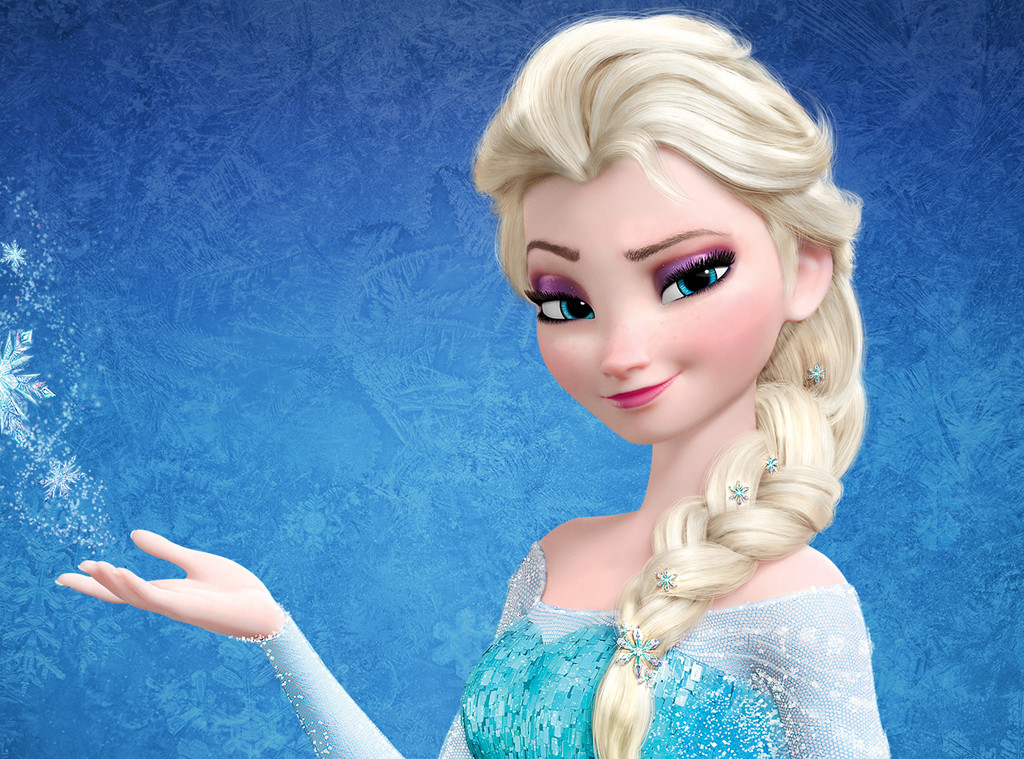
Joss Whedon loves anti-villains, so it’s no surprise that topping examples of great anti-villains are Jubal Early from Firefly and The Operative from Serenity. Other great anti-villains include Grand Admiral Thrawn for The Hand of Thrawn series, Elsa from Frozen (your opinion may vary on this one), and Richard III from, well, Richard III.
So, I’m dying to know if you guys can come up with more categories. I know they’re out there, but for some reason my brain was sticking to these five. Also, do you have any favorite villains?


 H.L.M. Garrison
Leave a comment